
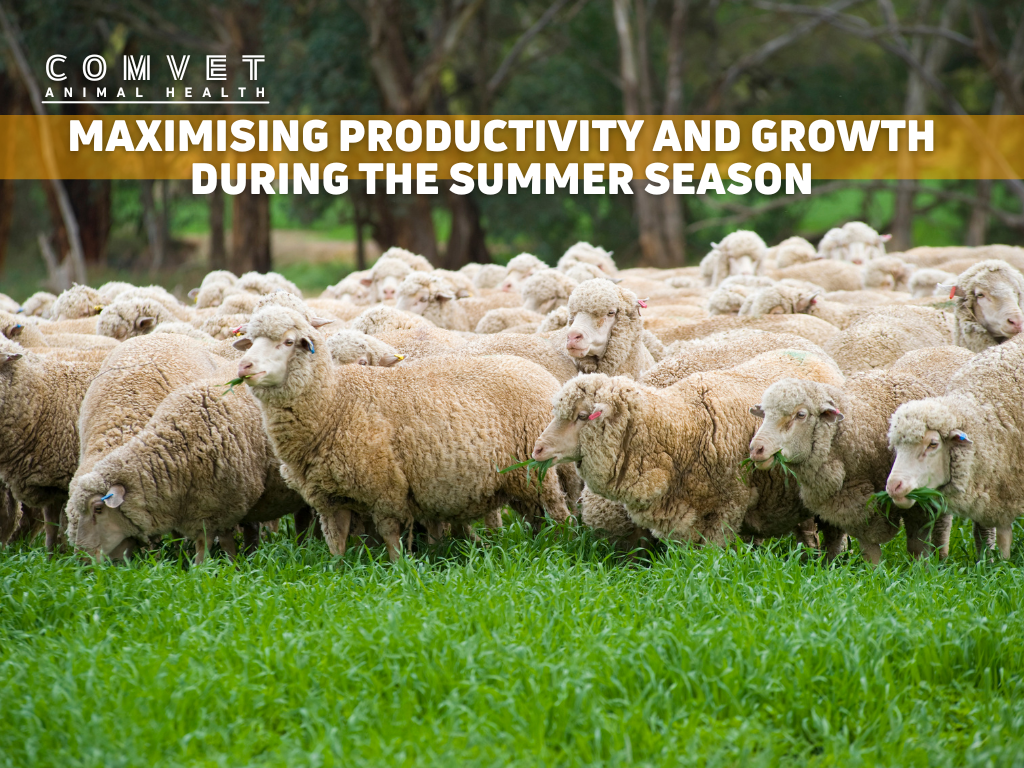
Winter is coming soon, and it is typically associated with loss of condition of livestock which is why it’s important to maximise productivity and growth during the summer season while grazing is plentiful. This ensures that livestock start winter in good condition allowing them to cope through the winter season better.
Here are few products and tips to help maximise productivity during the season of abundance.
VITAMIN AND MINERAL SUPPLEMENTATION
Vitamins and minerals are elements that the body requires to facilitate many important functions and processes such as:
- Growth
- Reproduction and Fertility
- Immunity
- Muscle and nerve function
- Metabolism and digestion
Naturally, the source of vitamins and minerals for livestock is grazing. In addition, the animal can synthesize some of the vitamins such as some of the B vitamins. However, there are factors that may affect the availability of some of these vitamins & minerals such as soil type / composition and plant species to mention a few.
With this in mind it is not always a given that the grazing contains all the necessary vitamins and minerals no matter how good the grazing condition is. A prime example is phosphorus. It has been generally accepted that South African soils are deficient in phosphorus, meaning that often, phosphorus supplementation maybe a necessary part of your nutrition management programme regardless of season.
SIDE NOTE: The function of Phosphorus cannot be understated. Phosphorus together with calcium are important for bone and teeth formation, growth and development of muscle tissue, milk production, fat, carbohydrate, and protein metabolism all which are crucial aspects of animal productivity. It is commonly supplemented using licks/blocks e.g. summer mineral licks or in-feed.
Other vitamins and minerals of note that may require supplementation include
| Vitamins | Trace Minerals |
| Vitamin A Vitamin D Vitamin E Vitamin K | Selenium Copper Zinc Manganese Cobalt Chromium Molybdenum |
The main for of supplements available are
- Injectable Supplements
- Oral Supplements
- Oral dose supplements.
- Mineral blocks
- In feed supplements
How frequently to administer
This depends on the specific type of vitamin and mineral supplement. Injectables and some oral products can be repeated every 3 – 4 months while some product may need to be administered ever y few weeks. A general rule of thumb is to administer these products 4 weeks prior to calving / lambing down, 4 weeks prior to breeding or 4 weeks prior to weaning.
In the case of mineral blocks using between October to April maybe recommended.
In terms of calf / lamb / goat kid supplementation this will largely depend on the product, some manufacturers provide a useful programme accompanying their products in terms of calf / lamb / goat kid supplementation.
Featured Vitamin and Mineral Supplements
INJECTABLES
-
Combi-Min For Cattle
Vitamin and mineral complex to treat and prevent vitamin A, vitamin E, copper, zinc, manganese and selenium deficiencies in cattle.
Price range: R239.00 through R590.00 -
Combi-Min Sheep and Goats
Vitamin and mineral complex to treat and prevent vitamin A, vitamin E, zinc, manganese and selenium deficiencies in sheep and goats.
Price range: R205.00 through R450.00 -

Complex +A&E for cattle
An ideal balanced micro-emulsion of minerals and vitamins for the treatment and prevention of vitamin A, vitamin E, copper, zinc, manganese and selenium deficiencies in cattle.
R272.00 -
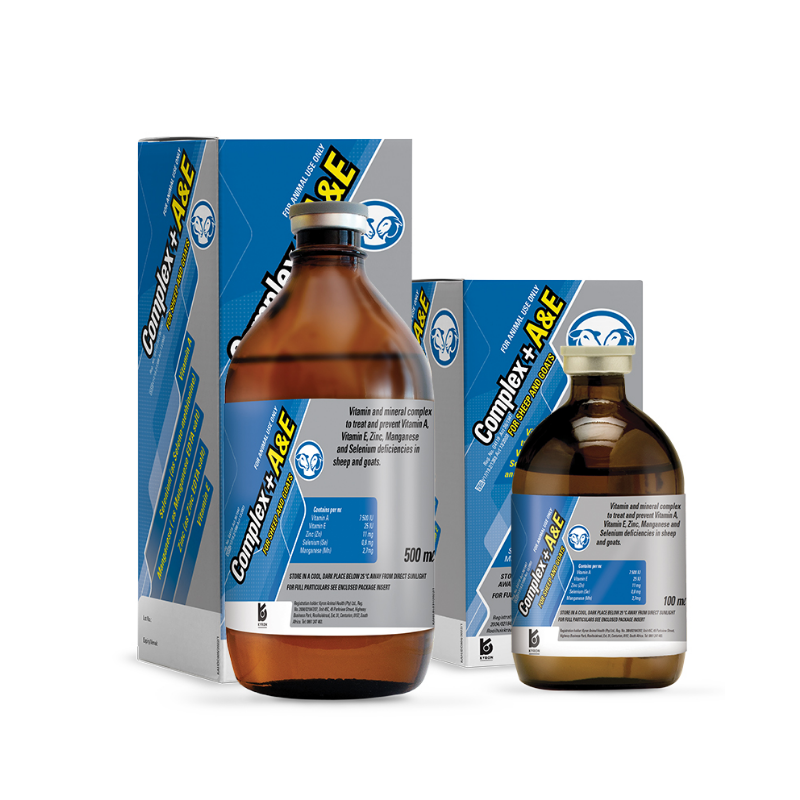
Complex +A&E for sheep and goats 100ml
An ideal, balanced micro-emulsion of minerals and vitamins for the treatment and prevention of vitamin A, vitamin E, zinc, manganese and selenium deficiencies in sheep and goats.
R234.00


ORAL SUPPLEMENTS
-
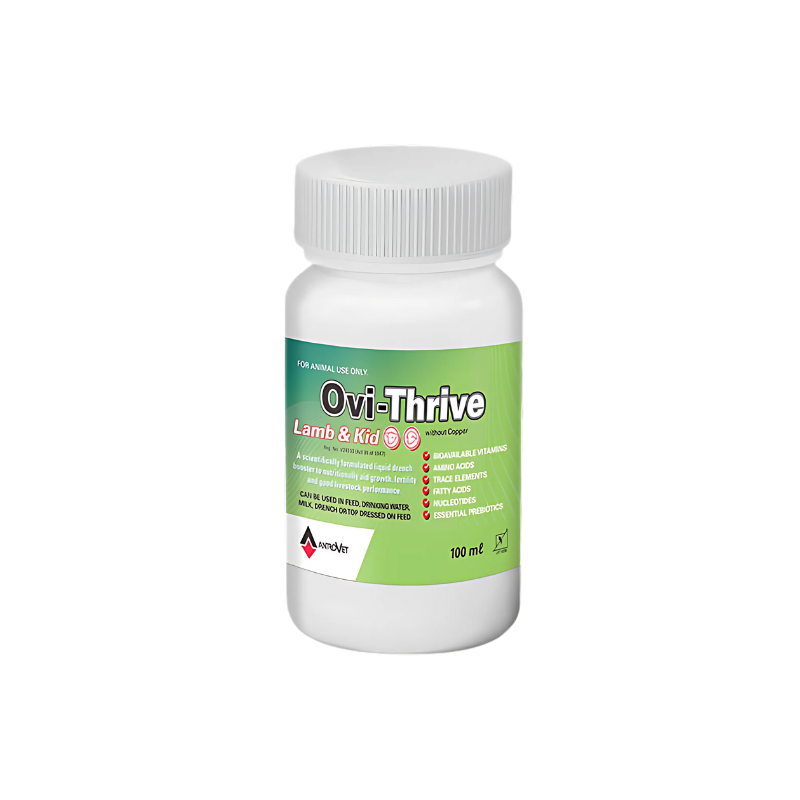
Ovi-Thrive Lamb and Kids
Price range: R122.00 through R355.00 -

Ovi-Thrive Sheep and Goats
Price range: R131.00 through R552.00 -

Bovi-Thrive Calf
Price range: R131.00 through R242.00 -
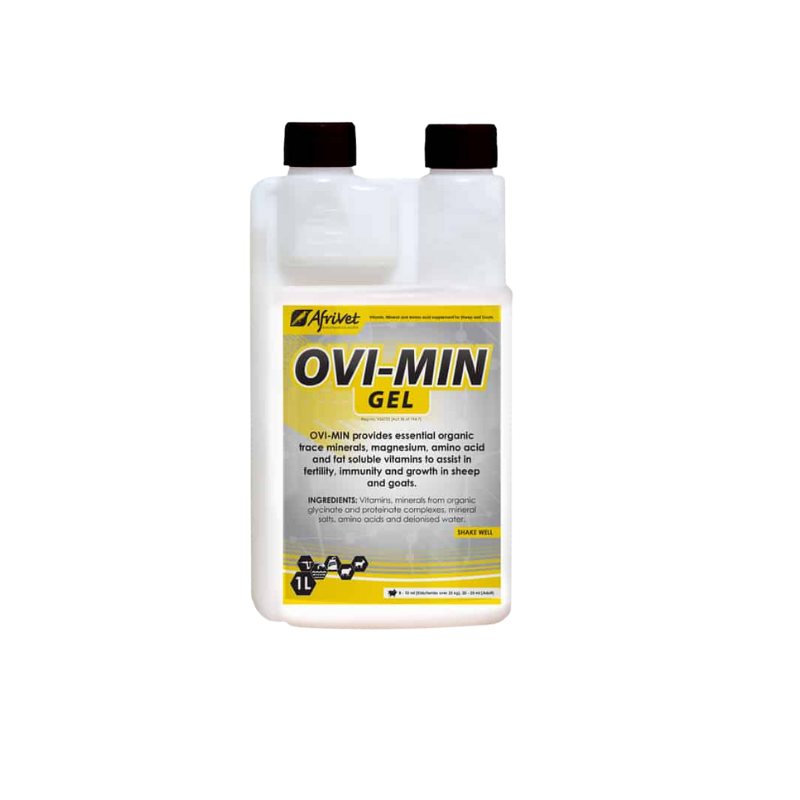
Ovimin Gel
R526.00
FEED SUPPLEMENTATION
In addition to vitamin and mineral supplementation, feed supplementation maybe necessary especially if grazing in your area is not enough / there is a drought. Whilst vitamin and mineral supplementation is a necessary part of nutrition management, what the animal eats plays a more significant role in weight gain and productivity.
Supplementation with good quality hay +/- production licks would be an option especially to support animals that have calves / lambs / goat kids.
Various feed supplements are available, and we highly recommend you get in touch with your preferred feed company to find out what feed options they have available to suit your farming needs.
INTERNAL PARASITE CONTROL / DEWORMING
Internal parasites, primarily worms and flukes negatively affect the productivity of livestock, they cause decreased weight gains, poor feed conversion, reproductive inefficiency and in the case of extremely high worm burdens animals may die.
Benefits of deworming include
- Improved growth rates
- Improved feed conversion ratios
- Improved appetite
- Improved reproductive efficiency
- Better body condition scores
SIDE NOTE: Liver Fluke is often overlooked however it is a frequently reported issue by many farmers who report white spots on the liver which maybe associated with a liver fluke infestation. Liver Fluke infestations typically happen during the summer rainfall period because liver fluke eggs survive in water and are carried by snails, therefore its is recommended when deworming animals in summer to choose a product effective against Liver Fluke as not all dewormers are effective against it especially when it comes to cattle dewormers.
Types of dewormers
There two main types of dewormers, injectables and oral dose.
Oral dewormers
- Recommended for summer but can be used year-round.
- Control a wider range of worms compared to injectable dewormers.
Injectable dewormers
- Typically 2 in 1, control internal parasites and also control external parasites such as mites, ticks and lice
How frequently to administer
It depends on your current management programme however some helpful tips.
Cattle
- Deworming at least 1 month prior to mating can be beneficial in maximising weight gain to ensure animals are in good condition for mating.
- Calves can be dewormed at around 2 / 3 months of age.
Sheep and Goats.
- Deworming prior to mating would be also beneficial to maximise weight gain to ensure animals are in good condition for mating.
Featured Dewormers
ORAL DEWORMERS
-
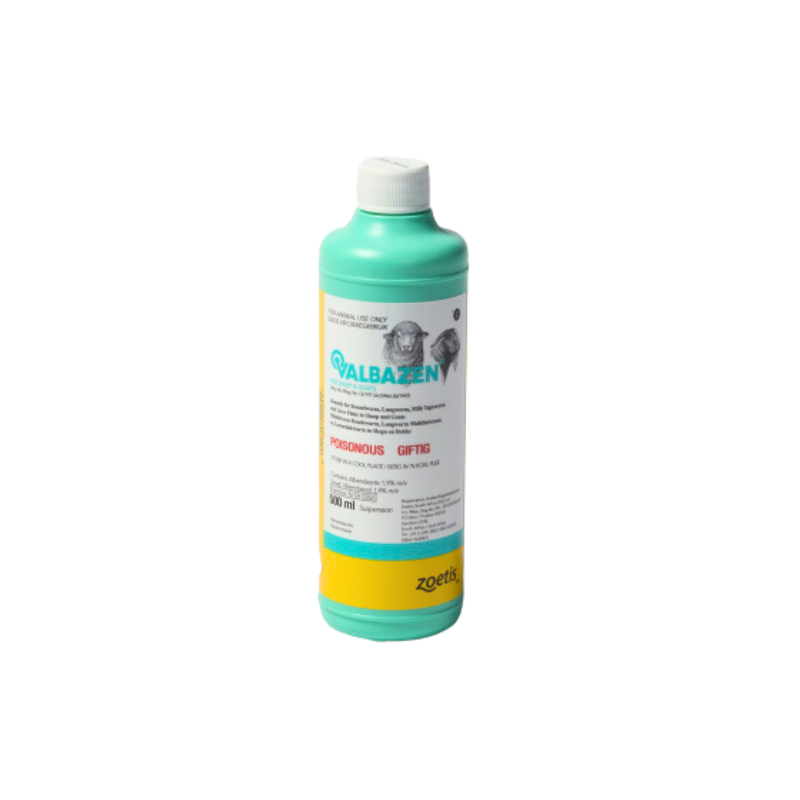
Valbazen for Sheep and Goats
Price range: R269.00 through R450.00 -

Combi-Dose 4
R481.00 -
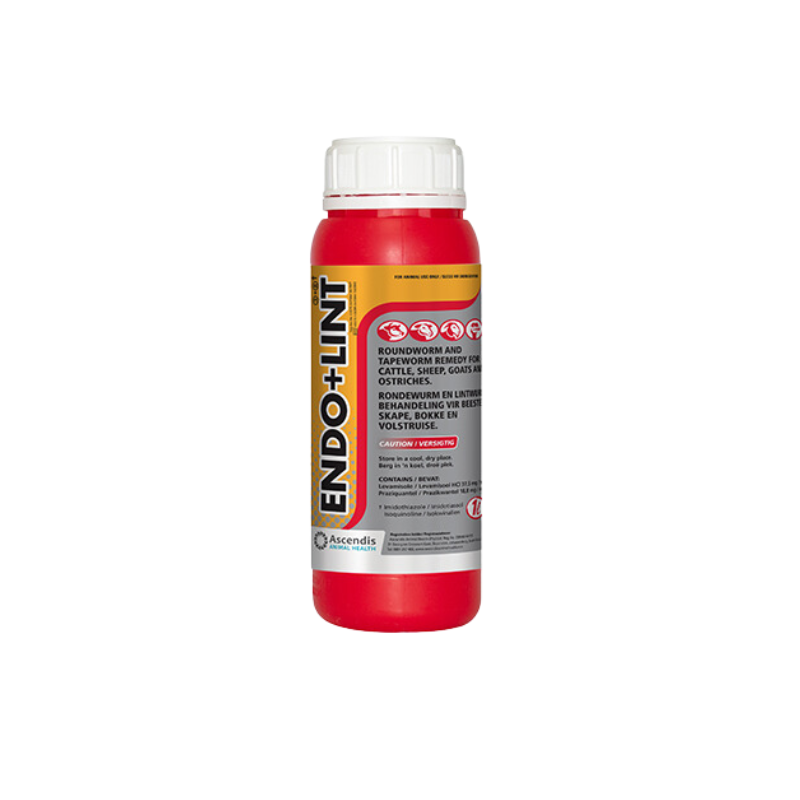
EndoLint
Price range: R186.00 through R609.00 -
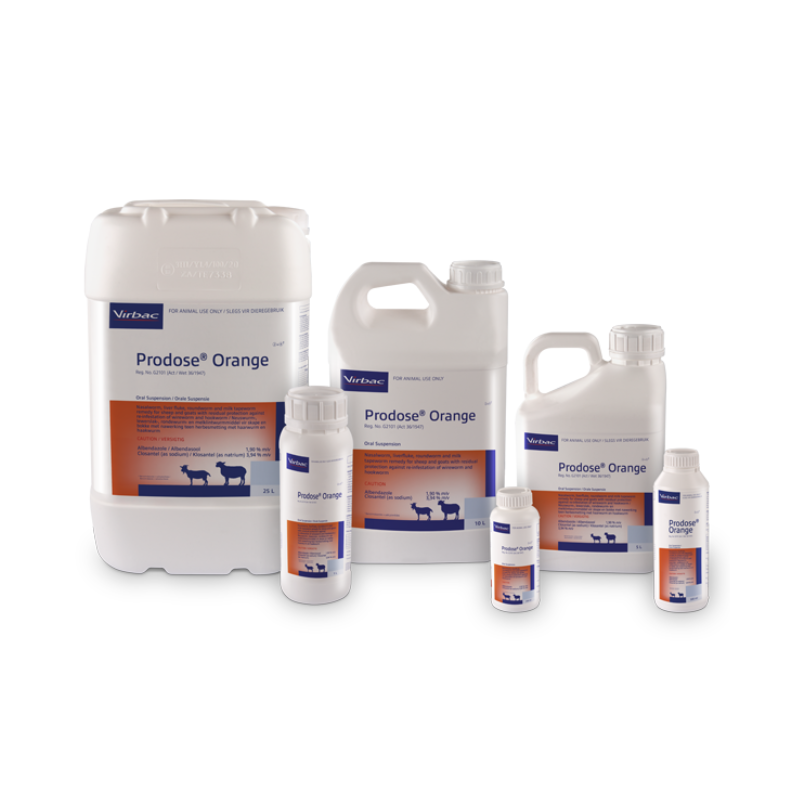
Prodose Orange
Price range: R276.00 through R2,948.00
INJECTABLE DEWORMERS
-

Solution 3,5% L.A.
Price range: R694.00 through R2,115.00 -
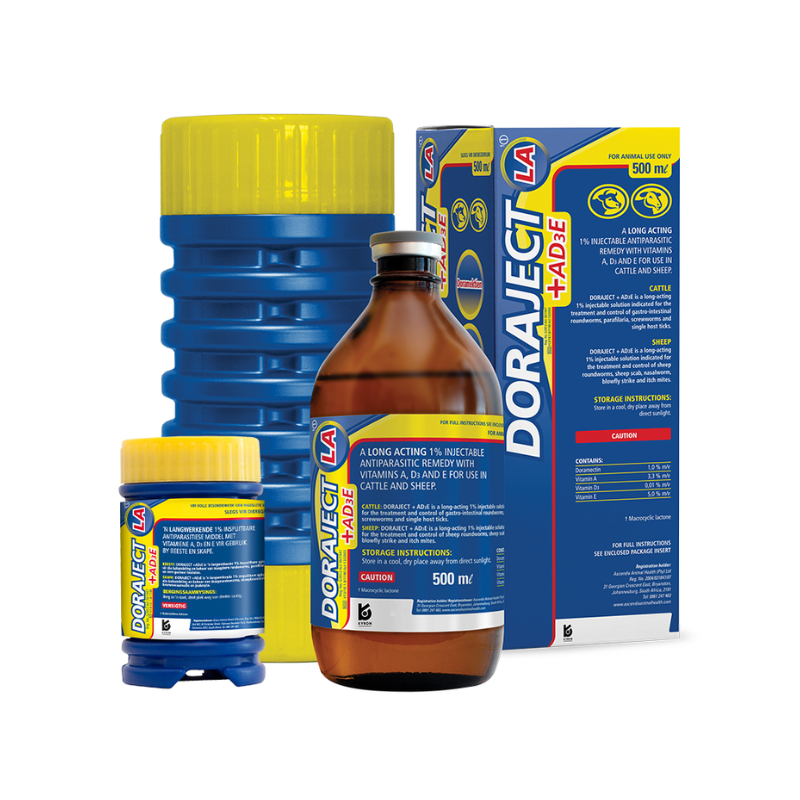
Doraject + AD3E LA
Price range: R499.00 through R2,091.00 -

Ivermax 1%
Price range: R181.00 through R446.00 -

Ivomec Super
Price range: R619.00 through R2,399.00
DISEASE PREVENTION
In addition to the above prevention of diseases commonly seen during the summer months would be beneficial in ensuring that animals in good health. Some diseases that are commonly seen during the summer months include
Tick Borne Diseases
- Heartwater
- Tick-borne Gallsickness
- Redwater
Other vector borne diseases
- Lumpy Skin Disease
- Three Day Stiff Sickness
- Blue Tongue
Read our other article here on how to prevent and treat commonly seen conditions during the summer months here ⬇️
We hope this information will be helpful to you, if you find this useful share it with other farmers!
0 Comments for “Maximizing productivity and growth during the summer season.”