
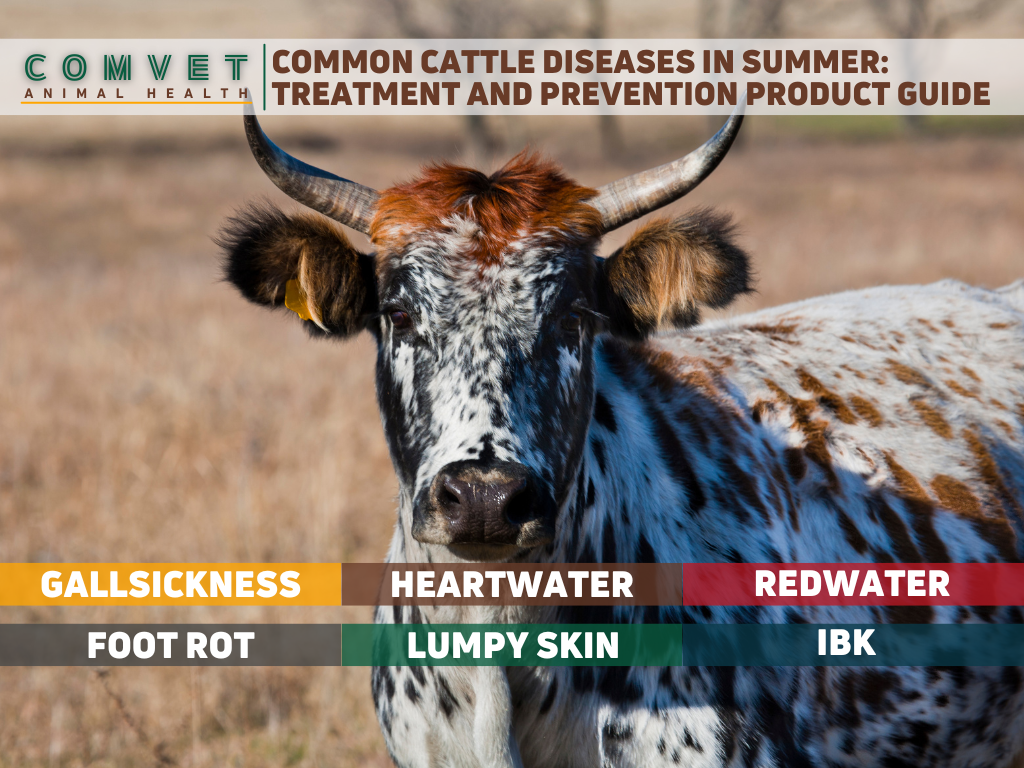
Summer is generally considered a busy season in the cattle farming calendar. There is an increase in the occurrence of various disease conditions during this period. The increased temperature and humidity create ideal conditions for parasites and diseases. In this article we summarize some of the common diseases, their symptoms and recommended treatment and prevention products. Remember; you can also order any of the listed products for delivery to one of over 3000 nationwide collection points near you with delivery in 3 – 7 working days.
It is important to mention that you need to consult a vet for a provisional diagnosis. Your vet will help you confirm if the signs you are seeing show one of the below diseases.
HEARTWATER
Heartwater is a common and fatal disease affecting not only cattle, but also sheep and goats. Mortality rates in infected cattle can be as high as 80%. Heartwater is transmitted by the Bont tick which has a limited distribution. It is important for farmers to know if they are in a Heartwater area. This knowledge ensures their tick control programme effectively combats the tick that transmits this disease.
Heartwater symptoms
Early Symptoms
- Fever (temperature higher than 41 degrees celsius)
- Lack of Appetite
- Lethargy (Reluctance to move)
Advanced Symptoms
- Respiratory Distress
- Lying on the side and paddling (kicking their feet)
- Animal Walks in Circles
- Tremors
- Diarrhoea
Heartwater Treatment
The most effective and widely available products used for treatment of Heartwater are the Oxytetracyclines. It is important to note that success of treatment and recovery is dependent on early detection of signs and prompt treatment using registered or recommended products.
If the animal has progressed to showing neurological signs such as lying on the side and paddling there is a very poor chance of recovery.
Featured products for treatment of Heartwater
-

Hitet 120
Price range: R209.00 through R475.00 -

Maxitet 13.5%
Price range: R149.00 through R452.00 -
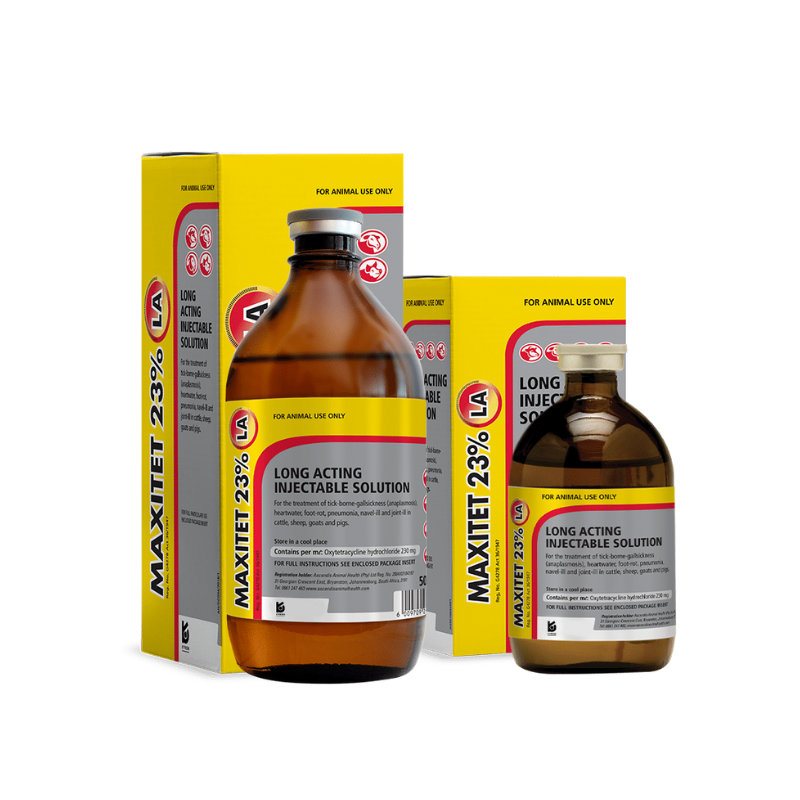
Maxitet 23% LA
Price range: R249.00 through R769.00 -

Oximycin 230 LA
Price range: R209.00 through R639.00
Heartwater prevention
Prevention of Heartwater can be achieved either through tick control to remove the ticks that spread it or either by vaccinating animals which guarantees they have immunity against Heartwater.
Topical ectoparasiticides, primarily dips and sprays are recommended for tick control in Heartwater areas. For vaccine information and availability we would recommend you contact your nearest veterinarian.
Featured Dips and Sprays
-

Eraditick 125
Price range: R160.00 through R2,099.00 -

Supatraz 125
Price range: R152.00 through R1,651.00 -
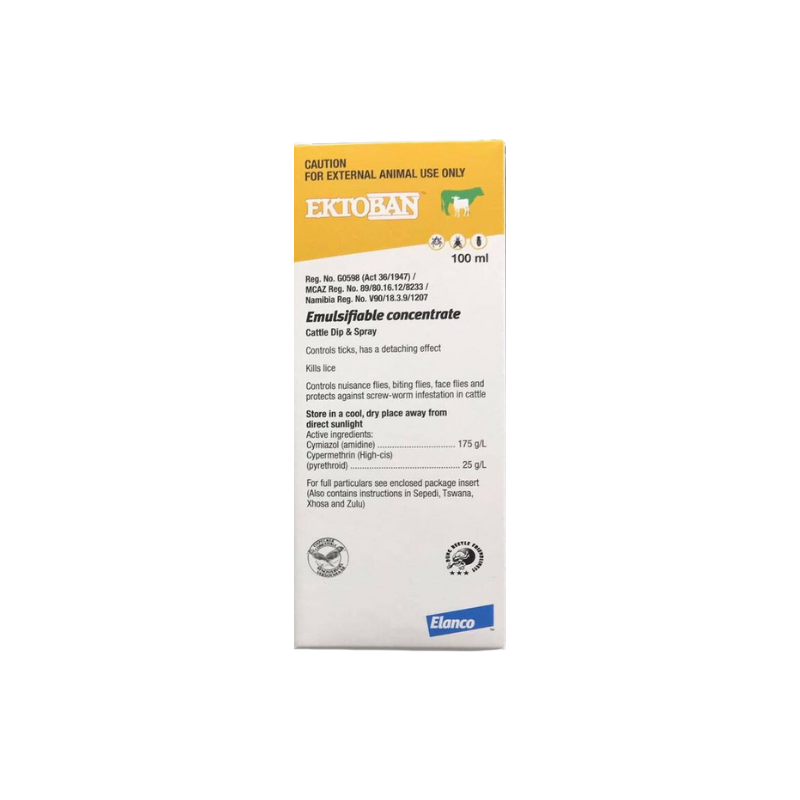
Ektoban
Price range: R156.00 through R939.00 -

Bantik
Price range: R149.00 through R749.00
TICK-BORNE GALLSICKNESS / ANAPLASMOSIS
Tick-Borne Gallsickness / Anaplasmosis, not to be confused with Dry Gallsickness, is another commonly seen tick-borne disease. Unlike Heartwater which has a specific location distribution, Tick Borne Gallsickness can occur almost anywhere. It usually occurs in summer when tick populations are high however it can happen at any other time of the year.
Tick-borne Gallsickness / Anaplasmosis Symptoms
- High Fever > 41 degrees Celsius
- Yellow mucous membranes
- Lack of appetite
- Lethargy (reluctance to move)
Tick-borne Gallsickness Treatment
Tick-borne Gallsickness can be treated by either an Oxytetracycline or Imidocarb containing product with good chances of treatment recovery and success provided that signs are identified early and the correct treatment is used.
Featured products for treatment of Tick-borne Gallsickness.
-

Hitet 200 LA Gold
Price range: R326.00 through R989.00 -

Terramycin LA
Price range: R99.00 through R1,399.00 -
Maxitet 23% LA
Price range: R249.00 through R769.00 -
Oximycin 230 LA
Price range: R209.00 through R639.00
Prevention of Tick-borne Gallsickness.
Prevention of Tick Born Gallsickness can either be achieved by vector control to remove the ticks and parasites that transmit this disease or by vaccination. Although during the summer season the general recommendation is to use dips and sprays, in non-Heartwater areas using injectables maybe considered if this sufficiently controls ticks. When using injectables, it is important to note the specific recommended frequency to re-administer. Some products may need to be repeated every 21 days for continued protection. Others may remain active for longer without needing to be repeated as frequently.
In addition to the featured dips and sprays the below injectables and pour ons maybe considered for tick control in non-Heartwater areas.
-

Solution 3,5% L.A.
R694.00 -

Ivermax 1%
Price range: R199.00 through R808.00 -
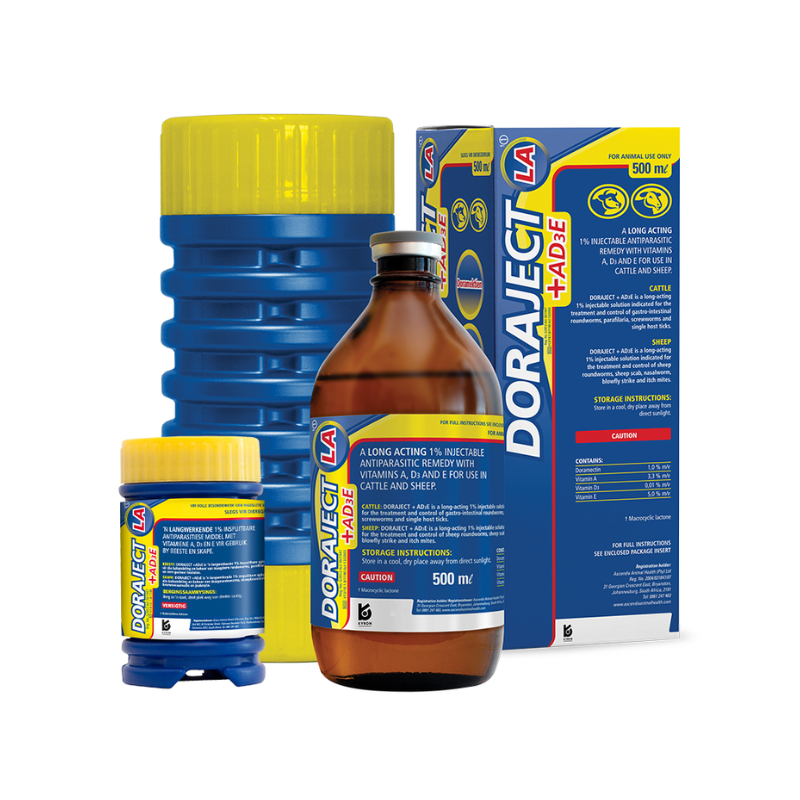
Doraject + AD3E LA
Price range: R534.00 through R1,759.00 -
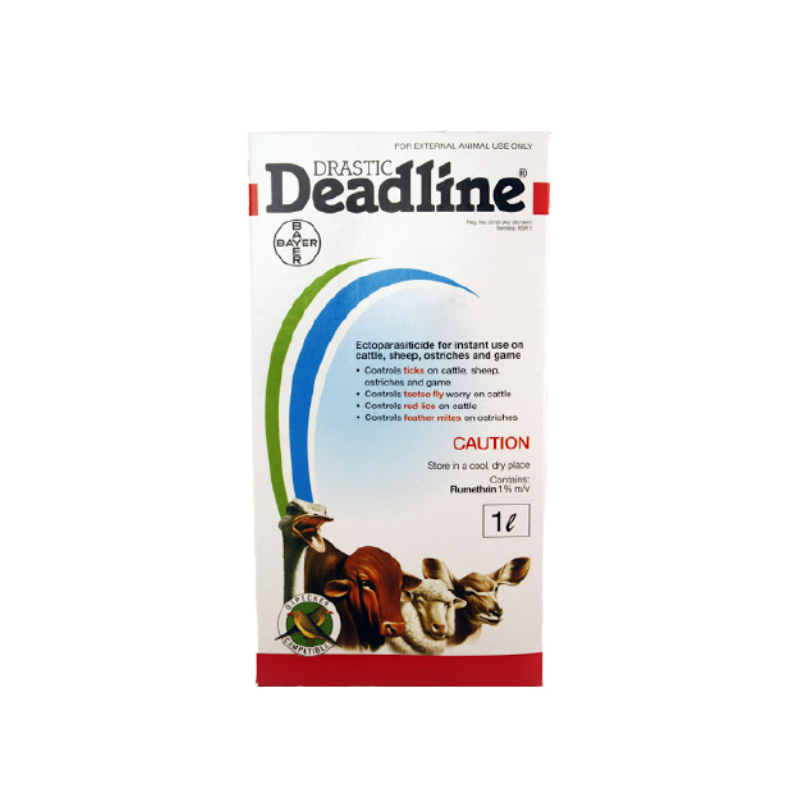
Drastic Deadline
Price range: R296.00 through R876.00
REDWATER
Redwater or Bovine Babesiosis is a tickborne disease transmitted by blue ticks. It can be found in most parts of South Africa where blue ticks can survive.
Redwater Symptoms
- High Fever > 41 degrees Celsius
- Red Urine(not always)
- Yellow mucous membranes
- Lack of appetite
- Lethargy (reluctance to move)
Redwater Treatment
Treatment can be achieved by using either Imidocarb or Diminazene based products. The dosages for Imidocarb or Diminazene are dependent on the live weight of the animal, you must therefore follow the recommended dosage and usage instructions by the manufacturer. When in doubt contact your nearest / preferred veterinary professional.
Featured products for treatment of Redwater.
-

Berenil R.T.U. 20ml
R80.00
Prevention of Redwater
The best way to control Redwater is to control ticks on your cattle; however, most cattle in Redwater areas can develop long term natural immunity after the first exposure, regardless, tick control is still important. Although during the summer season the general recommendation is to use dips, sprays or pour ons in non-Heartwater areas using injectables maybe considered if this sufficiently controls ticks. Vaccination for Redwater is also an option and for this you will need to contact your local Veterinarian.
In addition to the other featured products in this article the below injectables and pour ons maybe considered for tick control in non-Heartwater areas.
-
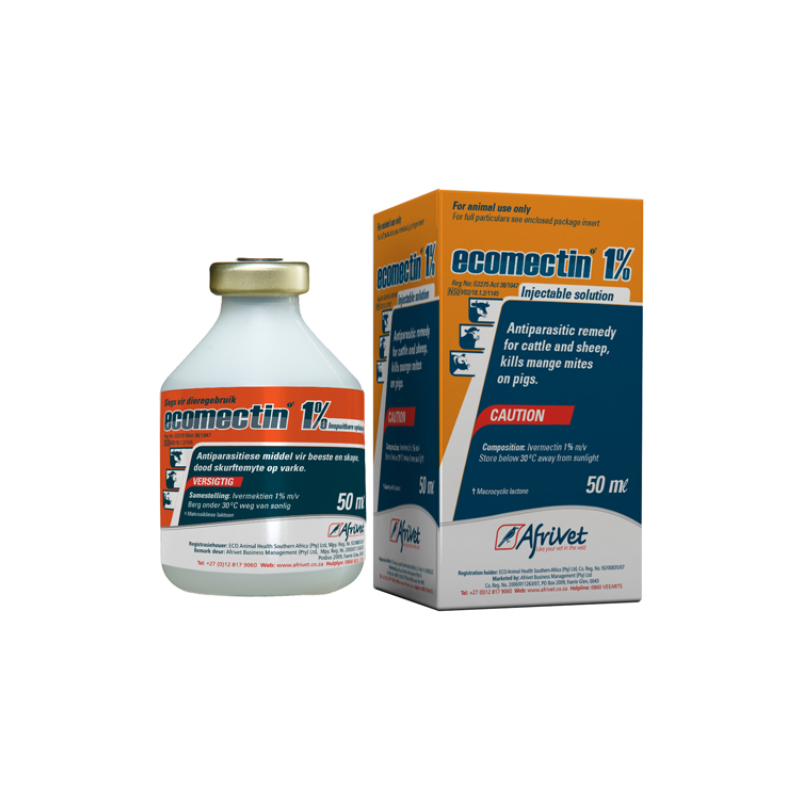
Ecomectin 1%
Price range: R227.00 through R449.00 -

Dectomax
Price range: R294.00 through R2,480.00 -

Ivomec Gold
Price range: R579.00 through R2,388.00 -
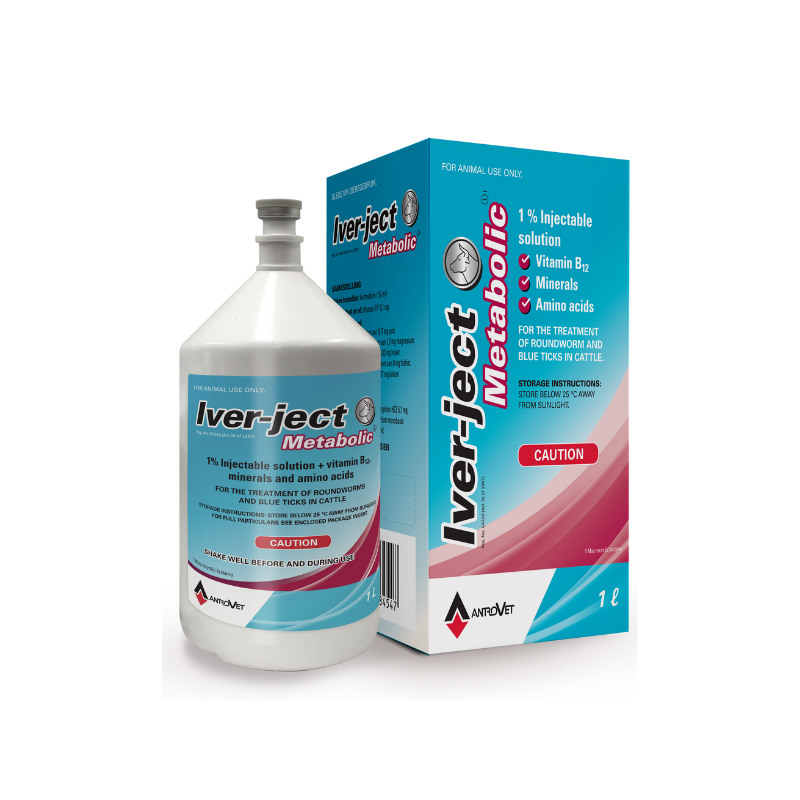
Iverject Metabolic
Price range: R205.00 through R539.00
LUMPY SKIN DISEASE
Lumpy Skin Disease is a viral disease affecting all cattle. The primary symptom is skin nodules / lumps / bumps all over the body of the animal. Most outbreaks of the disease happen during the wet summer months, and this is because the virus has been known to be transmitted by some biting flies and ticks.
Lumpy Skin Disease primary symptom.
- Multiple skin nodules anywhere on the body.
Lumpy Skin Disease Treatment.
There is NO product that specifically eliminates the Lumpy Skin Disease virus, any treatment attempted is primarily symptomatic. As the treatment is symptomatic we would recommend you get in touch with your local veterinarian to draw up an appropriate treatment plan based on the symptoms you are observing in your livestock.
Lumpy Skin Prevention.
It is recommended that you vaccinate against Lumpy Skin every year. The recommended time to vaccinate against Lumpy Skin Disease is later winter or spring which is August to October however this can still also be done at any point during the summer season.
Featured products for prevention of Lumpy Skin Disease.
FOOT ROT
Foot rot is an infectious condition of the hoof caused by bacteria.
The interdigital space (skin between the hooves) becomes swollen, reddened, and moist with a pus or blood discharge. The discharge smells very bad. The animal will become lame and will be limping, in addition to this if the infection is severe it may develop a fever. The other big problem is the reduced feed intake because the animal struggles to move.
Treatment and management of foot rot
- Move affected animals to clean, dry camps / areas
- Clean wound and apply antibiotic spray once a day for at least 7 days
- Injection with long acting oxytetracycline
- (Optional but would be beneficial) Weekly footbath in 5% Copper Sulphate or 10% Zinc Sulphate
Featured products for treatment and management of Foot Rot.
-
Terramycin LA
Price range: R99.00 through R1,399.00 -
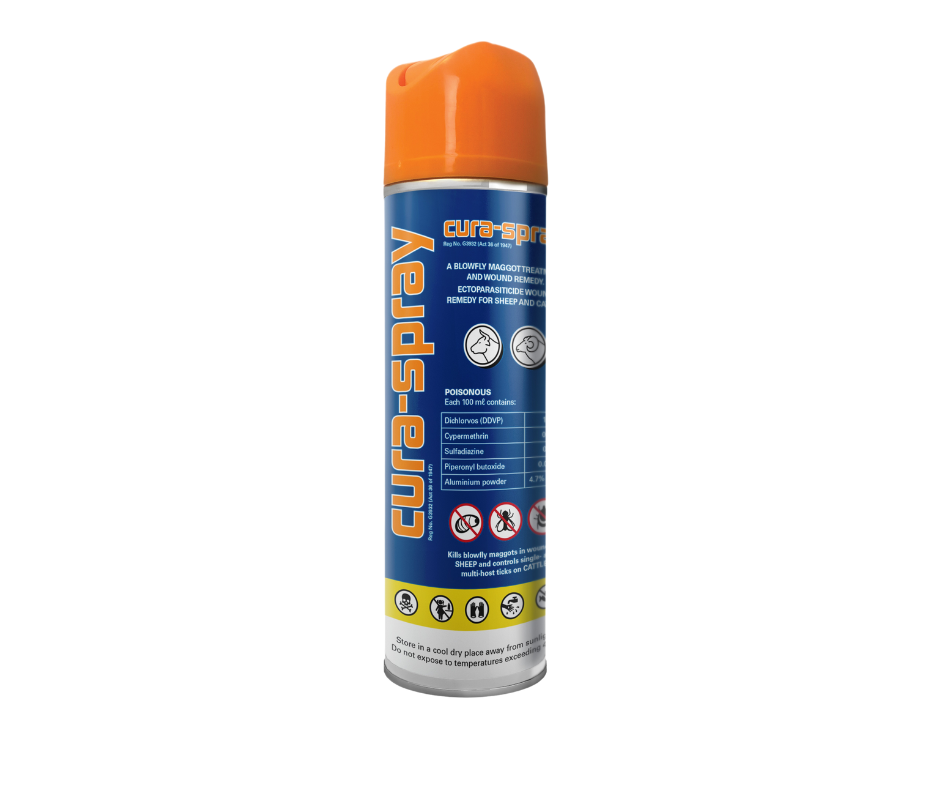
Cura-Spray 440ml
R224.00 -
Maxitet 23% LA
Price range: R249.00 through R769.00 -
Hitet 200 LA Gold
Price range: R326.00 through R989.00 -
Oximycin 230 LA
Price range: R209.00 through R639.00 -

Terramycin Wound Spray
R194.00
Preventing Foot Rot
- Regularly removing manure especially in the rainy season due to lots of mud and hot weather which promotes bacterial growth
- Removing foreign (sharp) objects from the kraal and grazing areas
- Tick control
- Hoof Care
Infectious Opthalmia / Infectious Bovine Keratoconjunctivitis / Pink Eye
Eye issues are commonly seen in cattle during the summer months. A common cause is Moraxella Bovis which is a bacterium the causes Infectious Opthalmia / Infectious Bovine Keratoconjunctivitis / Pink Eye.
Moraxella is usually transmitted by biting flies or by air droplets from nasal secretions. Outbreaks of IBK typically happen during summer when there is more insect / fly activity as well increase UV light which impacts some normal eye functions. There are other factors that increase the risk of transmission. Factors such as very dusty environments and feeding very feed increase risk of transmission because dust or fine feed particles may irritate the eye making it easy for the bacteria to cause an infection.
Symptoms
- Crying eyes, the animal produces a lot of tears because the eye is irritated.
- Swelling of the eye
- Conjunctivitis – increase redness of the white part of the eye.
- Corneal Oedema – eye looks white and cloudy.
Treatment of Infectious Opthalmia / Infectious Bovine Keratoconjunctivitis / Pink Eye
Treatment typically involves administering topical antibiotics indicated for treatment of Infectious Opthalmia / Infectious Bovine Keratoconjunctivitis / Pink Eye. There may be some benefits to administering a long acting oxytetracycline antibiotic because some of the causative organisms are susceptible to Oxytetracycline.
Featured products for treatment infectious ophthalmia.

Tetra Eye Powder 30g
For treatment of infectious opthalmia / pink eye in cattle, sheep and goats.
The above are some of the commonly seen conditions but not all the seen conditions. The above should guide you on what you products you may need to have for the summer season. For your convenience you can order any of the above products for delivery either to one of 3000 nationwide collection points near you with delivery in 3 – 7 working days.
0 Comments for “Commonly Seen Cattle Diseases in Summer: Treatment and Prevention Products.”