
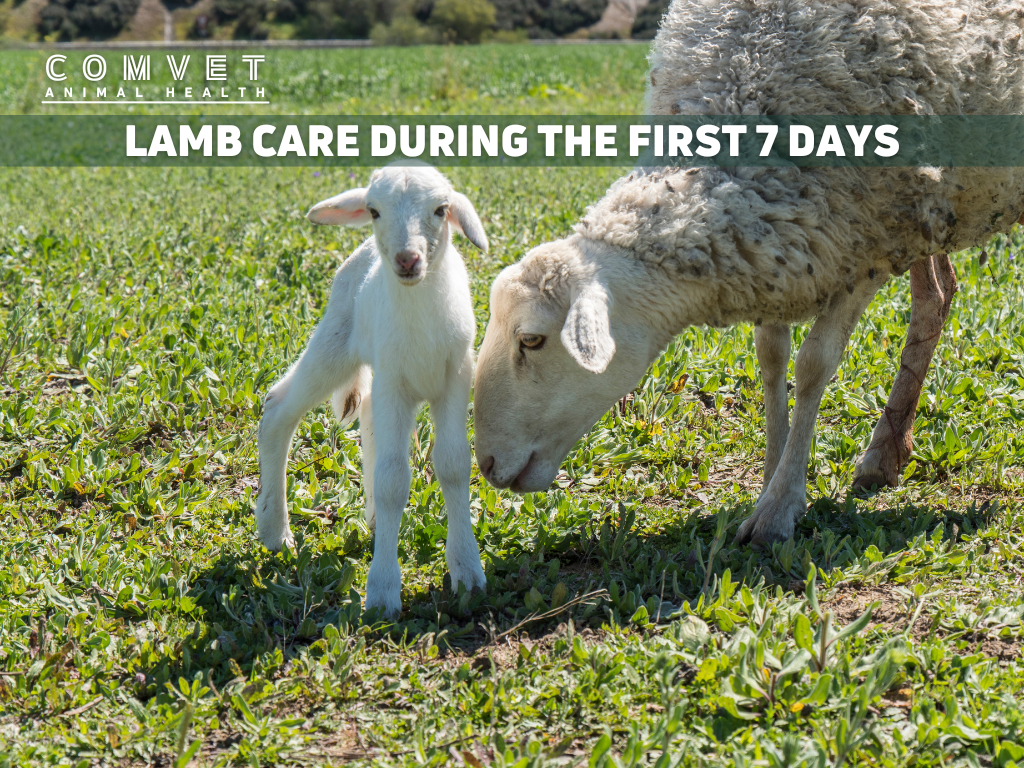
Care of lambs and goat kids is crucial in ensuring their survivability through to weaning. While the care of the newborns is largely dependent on the ewe, a few additional management actions, as well as continuous monitoring are both recommended. This article highlights and suggests the actions to take and what to monitor for.
Caring for newly born lambs and goat kids.
To avoid interrupting the bonding between the newborn and it’s mother, hands-off monitoring is recommended, only intervening or handling the new-borns when necessary.
First actions to take.
Check that the lamb/kid is breathing
Typically the mother can do this on their own however it would be recommended to also monitor for this. If the lamb does not appear to be breathing, to stimulate breathing you could tickle it’s nose with some grass which will cause it to sneeze and clear it’s airways to enable it to breath. Gently pressing and letting go of the rib cage a few times may also help.
Check that the lamb / kid is suckling.
In addition, monitor that it is suckling. Colostrum is of critical importance for newborn lambs and kids due to the essential nutrients and antibodies it provides during the first few hours of life. It is crucial that the lamb/kid suckles as much as possible during the first 6 – 12 hours as it is only able to “digest” colostrum during the first 24 hours of life.
Most lambs have a strong suckling reflex shortly after birth and will nurse when presented a teat however if maybe necessary to guide their mouths to the teat and/or squirt milk from the teat to initiate suckling if they do not appear to have started suckling. A newborn that is suckling successfully will wag it’s tail.
In some cases the mother maybe not allowing the newborn to suckle, one suggestion is to hold it in place to allow the newborn to suckle.
If the issue is lack of milk production, it is important to source a colostrum replacement to bottle feed the lamb / kid whilst it is still able to digest the colostrum.
Additional actions to take.
- Dip / spray the newborns navel in iodine. The purpose of dipping the navels of newborn lambs in iodine is primarily to prevent infection. This practice is a crucial part of immediate post-birth care for lambs and kids. Dipping the navel in iodine acts as a disinfectant, killing bacteria and other pathogens that could otherwise enter the lamb’s body through the umbilical opening. This helps to prevent a condition known as navel ill or joint ill, which can cause serious illness and even death in young lambs
- Check for other abnormalities or malformations.
- Check for placenta delivery (usually within 4-6 hours) and remove it from the pen to maintain hygiene.
- Provide a clean, dry, and well-ventilated shelter to protect newborns from adverse weather conditions, theft, and predators. Bedding should be kept fresh. Avoid overcrowding, which can lead to mismothering.
Monitoring and general care.
Daily observation is crucial to identify early signs of disease or problems.
Lamb/kid monitoring
- Monitor that it is still suckling. Hungry newborns will often vocalize frequently. If you are concerned that it is not receiving enough or any milk, palpate/feel for the abdomen to check for fullness, which indicates adequate milk intake. An empty lamb or kid will have depressed sides.
- Observe their activity levels. A healthy lamb or kid will stand and move around after sleeping and will stretch when it first stands up. Monitor for any signs of weakness, listlessness, or reluctance to stand. Note any changes in behaviour during suckling.
- Look for symptoms such as diarrhoea (scours), coughing, or nasal discharge, which may signal infections or other health issues.
What to do if you notice issues with your lamb/kid?
It primarily depends on what the symptoms are. Here are some product picks for some commonly seen symptoms.
For Diarrhea
-
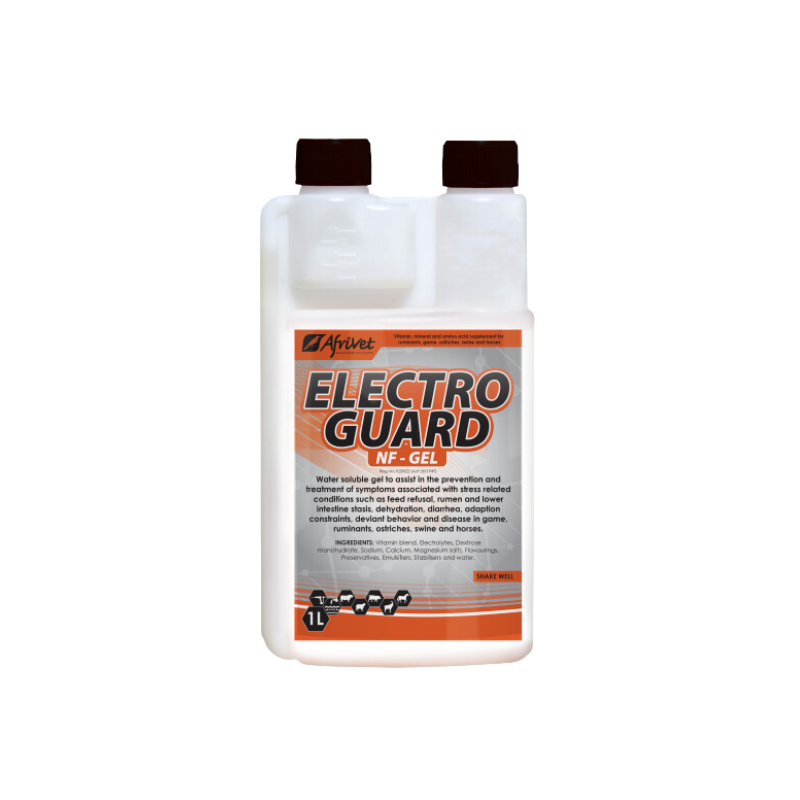
Electroguard NF Gel
Price range: R199.00 through R479.00 -
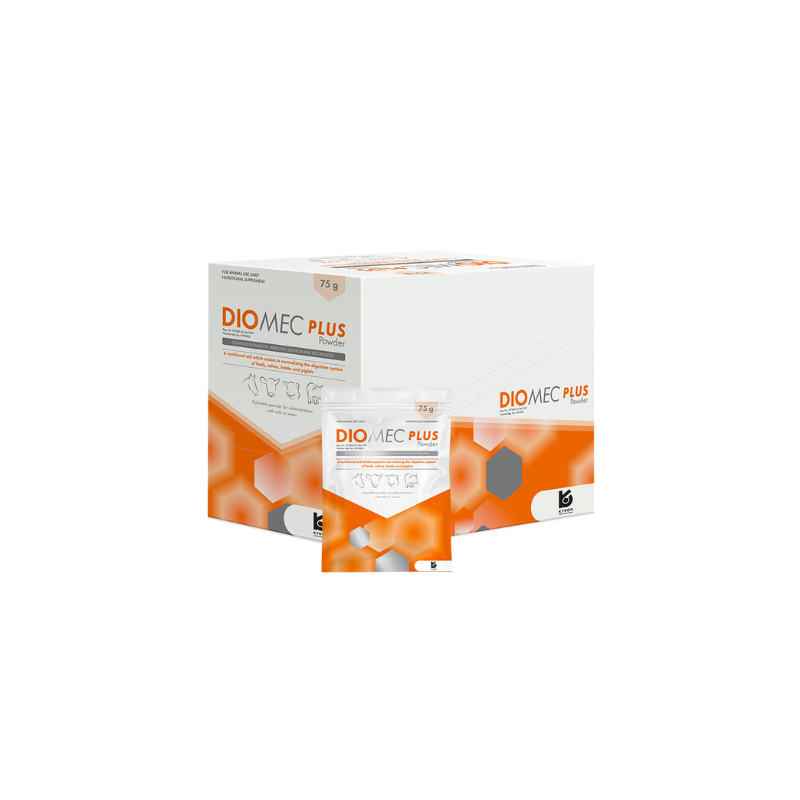
Diomec Plus Powder
Price range: R47.00 through R126.00 -
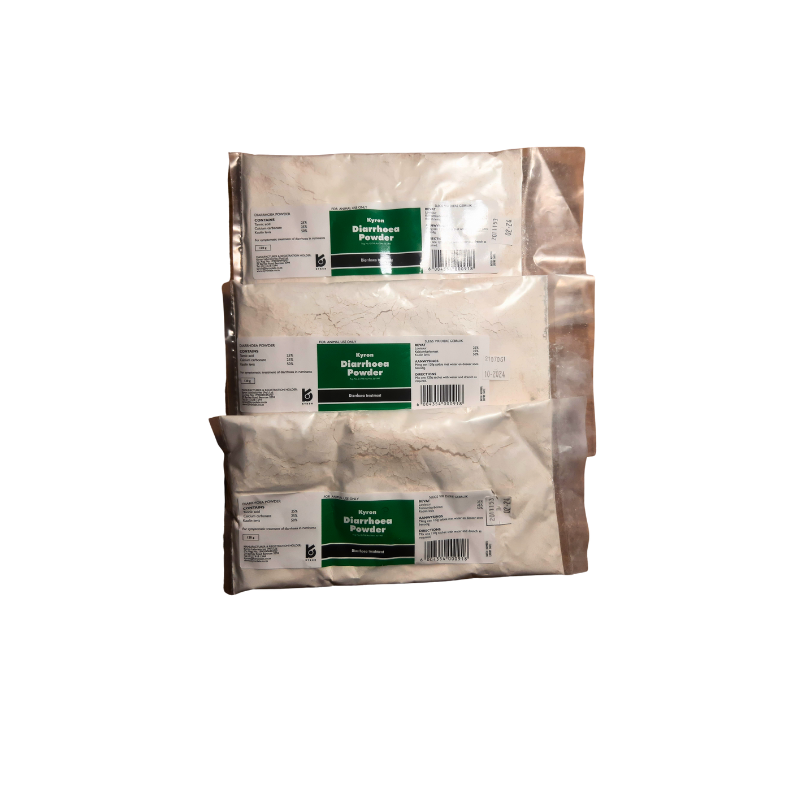
Kyron Diarrhoea Powder 120g
R120.00
For Coughing and/or other non-specific illness.
Ideally the actual cause will need to be identified. Some causes of non specific illness in lambs include navel ill, joint ill or other infectious. In these cases a broad spectrum antibiotic may be appropriate. Coughing may also be indicative of a possible pneumonia in which in which case also a broad spectrum antibiotic may be appropriate.
-
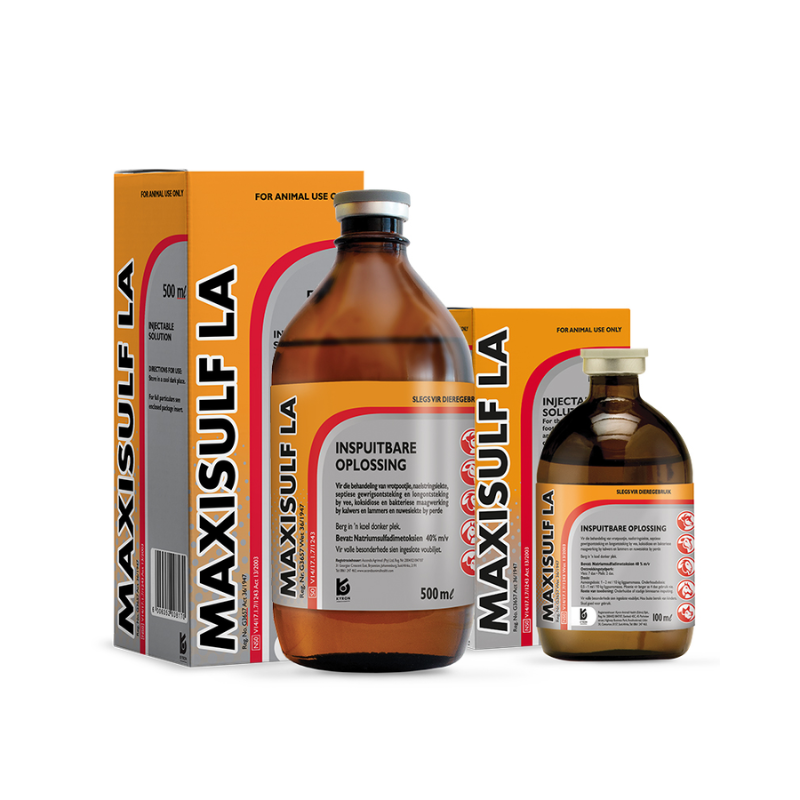
Maxisulf LA
Price range: R329.00 through R1,459.00 -

Kyrotrim
R238.00 -

Sulfatrim 100ml
R443.00 -

Disulfox LA 100ML
R597.00
Lamb / Kid Supportive Care
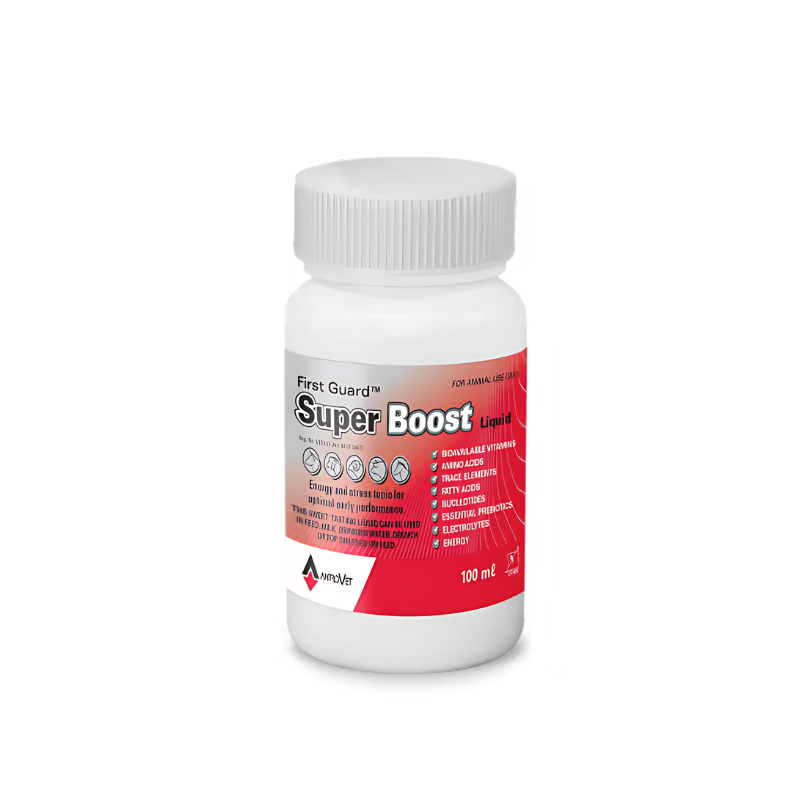
In addition to the above products supportive care aimed at alleviating other associated symptoms such as general weakness and lack of appetite is recommended.
-
Superboost
Price range: R117.00 through R449.00 -
Electroguard NF Gel
Price range: R199.00 through R479.00 -

B Co Bolic
Price range: R248.00 through R1,099.00 -

B Co Phos Injection
R212.00
Ewe monitoring and management.
- Monitor the ewe’s udder for signs of mastitis, such as swelling, discoloration, or abnormal milk.
- Pay attention to the ewe’s overall behaviour. Look for any changes, such as listlessness or lying down for long periods.
- Ensure the ewe is allowing the lamb(s) to suckle.
- Ensure the ewe has access to fresh water and high-quality nutrition to support milk production. Green fodder after birth stimulates milk production.
- Be alert for signs of the ewe losing body condition very rapidly, in these cases supplement feeding is highly recommended
Ewe Management Tip
To prevent excessive condition loss in ewes you should supplement feed, ideally with a supplement that is high in energy, protein, phosphorus and calcium. One supplement type that is available is a production lick. Production Licks are an excellent supplement type accessible to most farmers and if used correctly can be extremely cost effective.
Later actions.
In addition to the above, additional management actions are as follows.
Castration
Lambs and kids can be castrated at any age up to 2 months; however this can be done as early as a few days after birth provided the testicles have descended. The two methods of castrating are either by using castrator rings / bands or by using a bloodless castrator (Burdizzo type).
Tail Docking (Sheep)
Tail docking is typically performed in wool sheep lambs. Methods of tail docking include using elastrator bands (castration rings), using a bloodless castrator (burdizzo type) or a gas heated docking iron. Depending on your preferred method tail docking can be done from between 24 hours to 3 weeks of age.
-
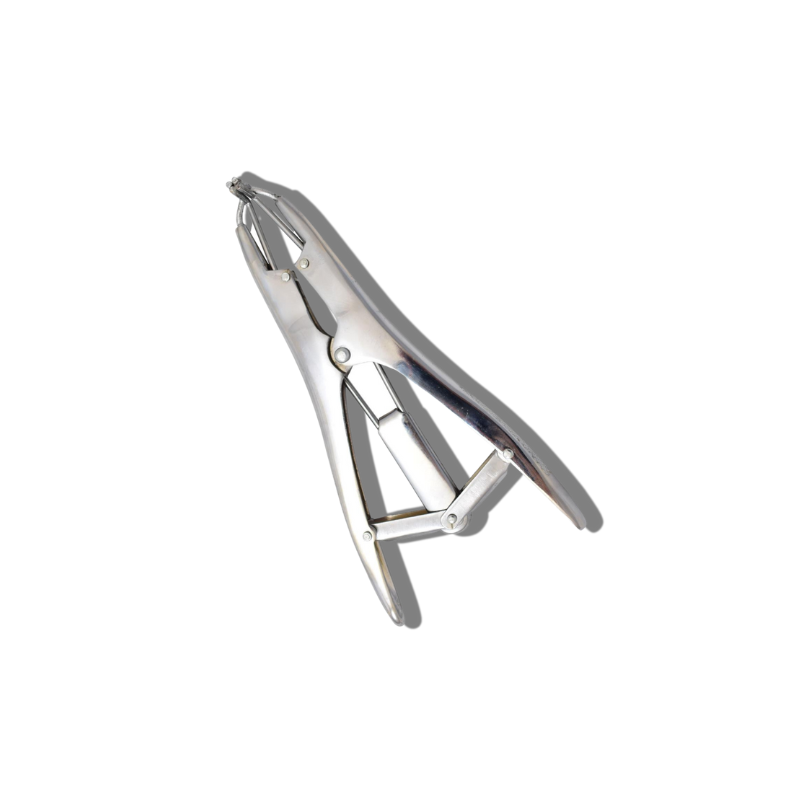
Castrator Ring Applicator
R139.00 -

Bloodless Castrator
Price range: R599.00 through R1,199.00 -

Castrator Rings
Price range: R26.00 through R64.00
Tattooing.
As per the animal identification act, small stock must be tattooed at the age of one month.
-

Antrovet Tattoo Ink Paste 60ML
Price range: R105.00 through R118.00 -

Antrovet Tattoo Ink Roll On 60ML
Price range: R86.00 through R105.00
Tattoo letters available on order please contact us on 0638240909 to place your order.
Vaccinations.
Pulpy Kidney disease is a common disease, causing mortalities of lambs and kids between 3 weeks and 3 months of age, although mortalities can happen at all ages. Vaccination against this disease is crucial to avoid these mortalities. When to vaccinate primarily depends on which vaccine you will be using. Some vaccines can be used as early as at 2 weeks of age if the mothers were never vaccinated.
Consistent and careful observation in the first few days and weeks of life is critical for identifying potential problems. By implementing these management practices, you can significantly improve the survival rate and overall health of newborn lambs in your flock.
Thankyou with the info on lambs and kids also their mother’s during birth time