

Diarrhea is frequently observed in both broilers and layers, and, as with many animal health conditions, it is typically a symptom of various diseases or conditions. Unlike other conditions with nonspecific symptoms, the characteristics of the diarrhea, particularly the colour, maybe helpful in helping to narrow down and identify possible causes.
What do normal poultry droppings look like?
As previously mentioned, the appearance of the diarrhoea is typically a good indicator of possible causes of the diarrhoea notwithstanding the other noted signs. Depending on the chickens diet, normal poultry droppings should be well formed / solid, light to dark brown with a thin white layer covering that is not watery covering about a third of the feces. In this particular instance because the droppings are well formed, the white layer is considered normal. Green droppings are also considered normal if well formed and usually are as a result of chickens feeding on grass or leafy greens.
In this article we look at the most common causes of diarrhea in poultry as suggested by the colour of the droppings. It is important to stress that color alone does not indicate the final diagnosis but may raise suspicion for possible causes.
STRESS
Diarrhea Description: Watery diarrhea, brown to green with some white patches.
Stress in poultry refers to any (non-infectious) condition that disturbs the normal physiological state of the birds negatively impacting their health and productivity.
Common causes for stress in poultry include
- Temperature stress. Extreme temperatures and/or fluctuations can result in stress which can manifest as panting, reduced feed intake and diarrhoea.
- Diet / feed changes.
- Changes in environment; commonly placing of day old chicks.
- Overcrowding.
- Poor ventilation.
Associated Symptoms.
In this case the droppings are watery however they may still retain their light to dark brown / green colour. Not typically associated with excessive mortalities.
Management
Administering stress packs is helpful in alleviating stress and associated signs however instituting the appropriate management changes would also improve effectiveness of treatment with stress packs.
Products for managing stress in poultry.
-

Stressgaurd 100G
R46.00 -

Phenix Stresspac 100g
R49.00 -
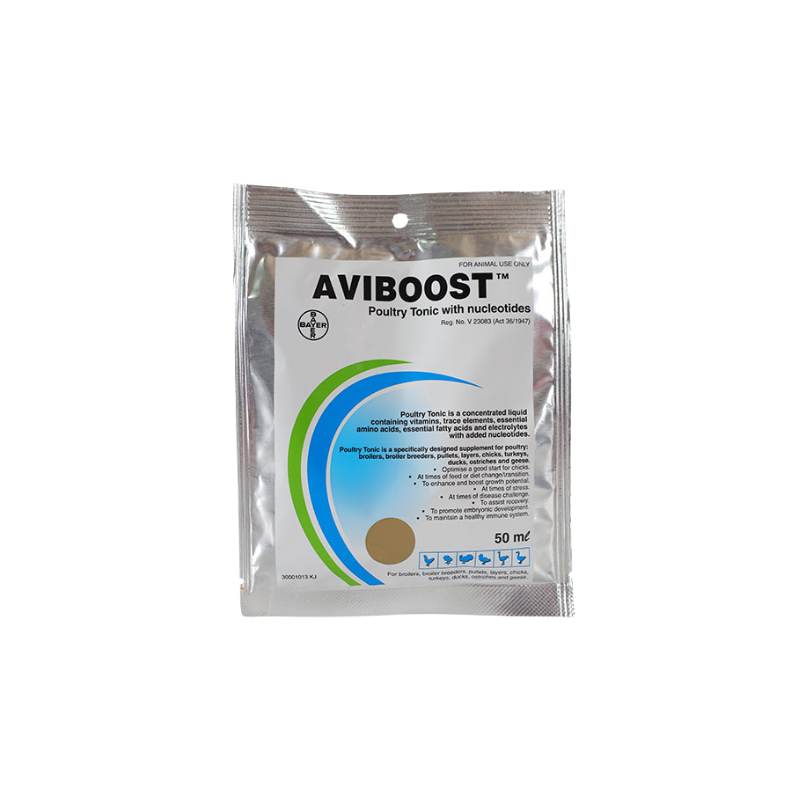
Aviboost Poultry Tonic
R93.00
COCCIDIOSIS
Diarrhea Description: Watery diarrhea with red streaks. (Although may sometimes be without)
Coccidiosis is a common and serious disease in poultry caused by protozoan parasites of the genus Eimeria. These parasites infect the intestinal tract of birds, leading to various health issues.
Predisposing factors
Birds typically become infected when they consume a large amount of (sporulated) coccidia. When chickens infected with coccidia pass droppings, the coccidia eggs (called oocysts) come out in the waste. Initially, these eggs are not harmful—they’re like dormant seeds. But, given the right conditions—warmth, moisture, and oxygen—they start to develop and mature.
Certain factors may promote development of coccidia such as
- Poor hygiene,
- Not changing litter that is wet or high in moisture.
- Not cleaning feeding and drinking systems.
- Not cleaning and disinfecting between batches.
- High stocking density increases risk of spread.
- Poor ventilation and warm temperatures.
Symptoms
- Watery diarrhea with red streaks. (May sometimes be without)
- Reduced feed consumption.
- Reduced growth rates.
- High mortality rates.
Treatment
Treatment of an outbreak involves administering anti-coccidial products. Long term prevention and management involves using feed additives to prevent outbreaks.
Anti-coccidials
-

ESB3 Powder
Price range: R53.00 through R599.00
INTERNAL PARASITES / WORMS
Diarrhea description: Watery mucoid diarrhea with worms visible in some cases.
Worms are another common cause of diarrhea in poultry, primarily roundworms and tapeworms. Worms are usually an issue in free range birds / backyard birds but can also happen in intensively reared flocks.
Signs of a worm infestation in poultry are
- Watery mucoid diarrhea with worms visible in some cases.
- Weight loss.
- Reduced egg production.
- Pale comb and wattles due to anemia as a result of excessive worms.
- Lethargy.
Management of suspected worm infestation involves deworming as well as maintaining a clean environment, where practical, to help prevent infestations.
Dewormers
-

Piperazine
Price range: R137.00 through R574.00
Other causes of diarrhea in poultry include
- Infectious diseases.
- Bacterial infectious: Salmonella, E Coli.
- Viral infections: Newcastle, infectious bronchitis, infectious coryza.
- Dietary issues.
- Spoiled or contaminated feed or water.
- Consuming moldy feed.
- Consuming toxic plants.
- Overfeeding or imbalanced diets.
- Spoiled or contaminated feed or water.
Some of the common causes of diarrhea can be easily treated as above however if you are unsure about what the cause would be, we recommend you contact your nearest veterinarian or poultry specialist for a consultation.
0 Comments for “Common causes of diarrhea in chickens.”